
Can You Install a Metal Roof Over Asphalt Shingles in BC?

Can You Install a Metal Roof Over Asphalt Shingles in BC?
Yes, you can install a metal roof over existing asphalt shingles in British Columbia in certain circumstances.
However, the existing roof must be suitable, the selected metal roofing system must permit the installation, and all applicable building requirements must be met.
For homeowners throughout Vancouver, the Lower Mainland, and Fraser Valley, installing metal roofing over existing asphalt shingles can reduce removal costs, minimize roofing waste, and potentially shorten installation time.
But not every roof is a good candidate.
If the existing roof has moisture damage, deteriorating plywood, multiple roofing layers, or structural concerns, removing the asphalt shingles before installing metal roofing may be the better long-term investment.
The decision should depend on the condition of the existing roof, not simply which installation method costs less.
This guide explains when a metal roof overlay makes sense, when a complete tear-off is recommended, and how metal shingle systems such as Ironstone Slate and Ironwood Shake may provide a long-lasting alternative to traditional asphalt roofing.
What Is a Metal Roof Overlay?
A metal roof overlay, also called a roof-over or roof recover, involves installing a new metal roofing system over an existing roof without completely removing the original roofing material.
For example, a homeowner with an aging asphalt shingle roof may be able to install a new metal shingle roof over the existing shingles, provided the underlying roof assembly is suitable.
Depending on the roofing system and existing conditions, the installation process may include:
Inspecting the existing roof and attic.
Evaluating the roof deck and identifying visible signs of deterioration.
Confirming the existing roof is suitable for an overlay.
Installing an approved separation layer or synthetic underlayment.
Installing the new metal shingle system using the required attachment method.
Completing flashing, ventilation, and roof penetration details.
The objective is to install a durable roofing system while avoiding unnecessary removal of existing materials.
However, an overlay should never be used to conceal unresolved roofing problems.

When Can You Install a Metal Roof Over Asphalt Shingles in BC?
A metal roof overlay may be appropriate when the existing asphalt roofing and underlying structure are in satisfactory condition.
Several important factors determine whether the installation is suitable.
1. The Existing Roof Deck Must Be Structurally Sound
The roof deck, commonly constructed from plywood or oriented strand board (OSB), provides the supporting surface for many residential roofing systems.
If the decking is rotten, deteriorated, or structurally compromised, installing metal roofing over the existing shingles will not correct the problem.
A professional roof and attic inspection can help identify visible warning signs, including water staining, deterioration, or damaged framing.
However, not all concealed damage can be identified without removing the existing roofing materials.
2. Existing Moisture Problems Must Be Addressed
Water damage is particularly important in British Columbia's wet coastal climate.
Before installing a metal roof over asphalt shingles, existing leaks and moisture concerns should be investigated and corrected.
Common warning signs include:
Water stains on attic framing or roof decking
Soft or deteriorating plywood
Leaks around skylights, chimneys, or roof vents
Excessive attic condensation
Mold growth or persistent dampness
Damaged or improperly installed flashing
Installing metal roofing over an existing moisture problem does not eliminate the underlying issue.
3. Existing Roofing Layers Must Be Permitted
The number of existing roofing layers can affect whether an overlay is appropriate or allowed.
Some homes may already have multiple layers of asphalt shingles from previous roof replacements.
Adding another roofing system can create concerns involving weight, attachment, roof geometry, and compliance with applicable building requirements.
Before proceeding, the existing roof assembly should be evaluated against local requirements and the metal roofing manufacturer's installation instructions.
4. The Metal Shingle System Must Be Compatible
Not every metal roofing product is designed to be installed over existing asphalt shingles.
Metal shingle systems such as Ironstone Slate and Ironwood Shake may have specific requirements for substrates, underlayment, attachment methods, and flashing details.
The selected roofing system must be suitable for the proposed installation method.
5. Attic Ventilation Must Be Adequate
Proper attic ventilation, together with appropriate insulation and air sealing, helps manage moisture and temperature within the roof assembly.
An existing ventilation or condensation problem should be addressed before installing a new roof.
This is especially important for Lower Mainland homes exposed to prolonged periods of damp weather and seasonal temperature fluctuations.
Metal Roof Over Shingles vs. Complete Tear-Off: Which Is Better?
The main difference between these approaches is whether the existing asphalt shingles remain in place or are removed before the new metal roofing system is installed.
Factor | Metal Roof Overlay | Complete Tear-Off |
Existing asphalt shingles | Remain in place | Removed |
Removal labor | Generally lower | Generally higher |
Disposal costs | Typically reduced | Typically higher |
Roof deck inspection | Limited access | Full deck exposure |
Hidden deterioration | May remain concealed | Easier to identify |
Roof preparation | Depends on existing conditions | Allows direct deck preparation |
Installation suitability | Only for qualifying roofs | Often preferable when damage is suspected |
Long-term performance | Depends on the complete roof assembly | Depends on the complete roof assembly |
Neither installation method is automatically better for every property.
An overlay can be a practical option when the existing roof is suitable.
A complete tear-off provides direct access to the roof deck, making it easier to identify and correct hidden problems before installing the new roofing system.
For homeowners evaluating the overall investment, our Metal Roof Replacement Cost in Vancouver, BC guide explains how removal, roof preparation, and roofing materials influence project costs.
When Should You Remove Asphalt Shingles Before Installing Metal?
A complete tear-off is often recommended when the existing roofing system has significant deterioration or underlying problems.
Situations that may require removal include:
Rotten or damaged plywood
Active roof leaks
Multiple existing roofing layers
Severely curled or buckled shingles
Significant moisture damage
Structural deterioration
Incompatible roofing materials
Manufacturer requirements that prohibit an overlay
Removing the existing asphalt shingles exposes the roof deck, allowing damaged materials to be identified and replaced before the new roofing system is installed.
This also provides an opportunity to inspect roof penetrations, flashing details, and other vulnerable areas.
For homeowners investing in a roofing system intended to perform for decades, addressing these issues at the beginning can help prevent expensive repairs later.
What Goes Between Asphalt Shingles and a Metal Roof?
The materials installed between existing asphalt shingles and new metal roofing depend on the roofing system and manufacturer requirements.
A separation layer is a material used to separate the new roofing from the existing surface. It can help protect the new roofing material from abrasion and form part of the specified roof assembly.
Some roofing systems use approved synthetic underlayment, while others require different components or installation methods.
At Valley Metal Roofing, suitable go-over installations use synthetic underlayment as part of the roofing assembly, subject to the selected manufacturer's requirements.
For complete tear-off installations, we remove the existing roofing, inspect and repair the exposed roof deck where necessary, and install a full ice-and-water protection membrane over the prepared decking.
Why Does the Underlayment Matter?
The materials beneath a metal roof contribute to the performance of the complete roofing assembly.
Important considerations include:
Moisture management
Compatibility with the metal shingle system
Protection from abrasion
Roof slope
Attachment requirements
Manufacturer specifications
Flashing and penetration details
The metal roofing material is only one component of a properly designed roof.
What goes underneath the metal is just as important as the roofing material visible from the street.
Can Ironstone Slate and Ironwood Shake Be Installed Over Asphalt Shingles?
Ironstone Slate and Ironwood Shake may be installed over existing asphalt shingles when the roof conditions and the specific manufacturer's installation requirements permit it.
These metal shingle systems provide homeowners with alternatives to conventional asphalt roofing while maintaining a traditional architectural appearance.
Unlike conventional asphalt shingles, metal shingles are manufactured from steel and designed to provide long-term weather resistance.
However, even a premium metal shingle cannot compensate for an unsuitable roof deck or unresolved moisture problems.
Before recommending an overlay, the existing roofing system should be inspected to determine whether it provides an appropriate foundation.
If the underlying roof condition is questionable, removing the existing asphalt shingles may be the better approach.
Ironstone Slate Metal Roofing
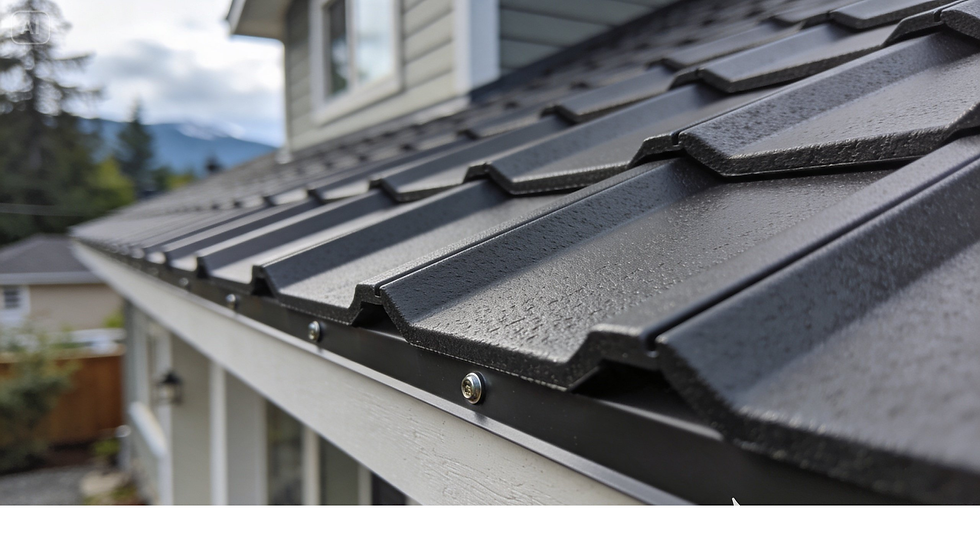
Ironstone Slate offers the appearance of natural slate roofing in a metal shingle profile.
It provides homeowners with a distinctive architectural option without the substantial weight associated with natural slate.
For Lower Mainland homeowners who appreciate the appearance of slate but want a lightweight metal roofing alternative, Ironstone Slate can be an attractive option.
Ironwood Shake Metal Roofing
Ironwood Shake is designed to provide the appearance of traditional wood shake roofing while offering the benefits of a metal roofing system.
It can be an appealing choice for homeowners who prefer the character of wood shake roofing without the same maintenance requirements associated with natural wood.
Both roofing systems must be installed according to their specific manufacturer requirements, particularly when an overlay is being considered.
Does Installing Metal Roofing Over Shingles Trap Moisture?
A properly designed metal roof overlay does not automatically trap moisture. However, existing leaks, inadequate ventilation, or moisture-damaged materials can create problems if they are covered without being repaired.
Moisture can enter a roof assembly through several sources, including:
Roof leaks
Poor flashing details
Inadequate attic ventilation
Air leakage from conditioned living spaces
Condensation
Existing water-damaged materials
Installing metal roofing over asphalt shingles does not correct these conditions.
A roof and attic inspection can identify visible warning signs, but concealed damage may require further investigation.
For Lower Mainland homeowners, proper moisture management is particularly important because of the region's wet climate.
How Does the Lower Mainland's Climate Affect Metal Roof Overlays?
British Columbia's Lower Mainland experiences prolonged periods of rainfall, damp weather, and seasonal temperature changes.
Communities closer to the coast, including Vancouver, North Vancouver, West Vancouver, and Burnaby, regularly experience wet conditions.
Further east, areas such as Maple Ridge, Mission, Abbotsford, and Chilliwack also receive significant precipitation, with local conditions varying according to geography and elevation.
These environmental conditions make several roofing details especially important.
Roof Deck Condition
Existing leaks can contribute to deterioration of plywood and other roof components.
Before installing metal over shingles, the existing roof should be evaluated for signs of moisture damage.
Attic Ventilation and Condensation
Warm, moisture-laden air from inside a home can enter an attic and condense on colder surfaces.
Proper air sealing, insulation, and ventilation help manage this risk.
An overlay does not automatically create condensation, but it also does not repair an existing ventilation problem.
Flashing and Waterproofing
Roof valleys, chimneys, skylights, plumbing vents, and roof-to-wall transitions require careful attention.
Proper flashing and waterproofing help manage rainfall and protect vulnerable areas of the roof assembly.
For Lower Mainland homes, the most important consideration is whether the entire roofing system is suitable for the property's existing conditions and environmental exposure.
Is Metal Roofing Too Heavy to Install Over Asphalt Shingles?
Metal shingles are generally lighter than many traditional roofing materials, including concrete tile and natural slate.
However, adding another roofing system increases the total weight supported by the structure.
The suitability of an overlay depends on the existing roof assembly, structural conditions, proposed materials, and applicable building requirements.
A lightweight roofing material does not automatically mean an overlay is appropriate.
Is It Cheaper to Install Metal Roofing Over Asphalt Shingles?
Installing metal roofing over existing asphalt shingles can cost less than a complete tear-off because it may eliminate some removal, labor, and disposal expenses.
However, the final cost depends on the specific property and roofing system.
Factors affecting the overall investment include:
Roof size and pitch
Roof complexity
Existing roofing condition
Required repairs
Selected metal shingle system
Underlayment and attachment requirements
Flashing and ventilation modifications
Accessibility
An overlay may reduce upfront costs, but it is not necessarily the most economical long-term option if underlying roofing problems remain unresolved.
For homeowners comparing roofing investments, understanding the true 50-year cost of metal roofing versus asphalt shingles can help put the initial installation price into perspective.
A roofing decision should consider the total cost of ownership, not just the initial installation.
Do You Need a Permit to Install Metal Roofing Over Shingles in BC?
Permit requirements depend on the municipality and the scope of work.
A straightforward roof covering replacement may be treated differently from a project involving structural modifications, significant roof alterations, or changes to the building envelope.
Requirements may vary between municipalities such as Vancouver, Burnaby, Surrey, Langley, Coquitlam, and Chilliwack.
Before beginning a project, homeowners should confirm applicable requirements with their local building department.
Regardless of whether a permit is required, the installation must comply with applicable building regulations and the roofing manufacturer's requirements.
How Long Does a Metal Roof Installed Over Shingles Last?
A properly specified and installed metal shingle roofing system can provide decades of service.
However, its lifespan depends on several factors:
Metal roofing material
Protective coating
Installation quality
Underlayment and ventilation
Environmental exposure
Maintenance
Condition of the underlying roof assembly
An overlay should only be considered when the existing roof can support the intended roofing system.
For more information, read our guide on how long metal roofs last in BC, including the factors that influence durability and long-term performance.
How Do You Know If Your Asphalt Roof Is Suitable for a Metal Overlay?
The best starting point is a professional roof and attic inspection.
A qualified roofing contractor should evaluate the existing roofing system, investigate visible signs of moisture damage, assess roof construction, and determine whether the proposed metal shingle system is compatible.
At Valley Metal Roofing, our in-home consultation includes a comprehensive roof and attic inspection.
We assess important factors such as:
Existing roof condition
Visible signs of moisture damage
Attic ventilation
Roof penetrations and flashing
Roof geometry and accessibility
Suitability for the proposed metal shingle system
We also review available metal roofing options and provide a Lifetime Cost Analysis to help homeowners understand the long-term financial implications of their roofing choices.
The objective is to determine whether an overlay is appropriate or whether removing the existing asphalt roofing would provide a better foundation for the new roof.
Frequently Asked Questions About Installing Metal Roofing Over Shingles in BC
Can you put a metal roof over one layer of asphalt shingles?
Yes, in some cases. A single existing layer may be suitable if the roof deck is sound, the existing roofing is in acceptable condition, and the proposed installation meets manufacturer and applicable building requirements.
Can you put a metal roof over two layers of shingles?
Multiple existing roofing layers can create concerns involving weight, attachment, roof condition, and building compliance. Removing the existing roofing may be necessary. The specific assembly and applicable requirements must be evaluated.
Do you need to remove old shingles before installing a metal roof?
Not always. Some existing asphalt roofs are suitable for an overlay, while others require complete removal because of damage, moisture problems, existing roofing layers, or manufacturer requirements.
Can you install metal roofing over damaged shingles?
Significant shingle deterioration or underlying roof damage may make an overlay unsuitable. Necessary repairs or removal should be completed before installing the new roofing system.
Does a metal roof over shingles need underlayment?
The installation must follow the selected roofing manufacturer's requirements. An approved separation layer or underlayment may be required depending on the system and existing roof conditions.
Will a metal roof over shingles be noisy when it rains?
Not necessarily. Rain noise depends on the complete roof assembly, including decking, insulation, attic construction, and roofing materials. Residential metal roofing installed over a properly constructed assembly generally performs differently from exposed metal roofing on an uninsulated building.
Does installing metal roofing over shingles cause condensation?
Not automatically. Condensation depends on the roof assembly, air leakage, insulation, ventilation, and moisture conditions. Existing condensation problems should be investigated before installing a new roof.
Can Ironstone Slate or Ironwood Shake be installed over asphalt shingles?
Potentially, yes. The existing roof must be suitable, and the selected metal shingle system must permit the proposed installation method.
Can you install metal roofing over shingles in Vancouver?
In some cases, yes. The existing roof must be suitable, and the installation must comply with applicable Vancouver building requirements and the selected roofing manufacturer's specifications.
Final Verdict: Should You Install Metal Roofing Over Existing Shingles?
For some Lower Mainland homes, installing metal roofing over existing asphalt shingles can be a practical solution.
It may reduce removal costs, minimize roofing waste, and simplify certain aspects of installation.
For other properties, removing the existing roofing and starting from the roof deck is the better long-term decision.
The most important question isn't simply whether metal roofing can be installed over asphalt shingles. It's whether an overlay is the right solution for your particular home.
Before investing in a roofing system intended to protect your property for decades, make sure the existing roof has been properly evaluated.
Is Your Asphalt Roof Ready for an Upgrade?
Valley Metal Roofing specializes in residential and commercial metal roofing throughout the Lower Mainland and Fraser Valley.
We offer Ironstone Slate and Ironwood Shake roofing systems for homeowners looking to upgrade from traditional asphalt shingles.
Our in-home consultation includes:
Comprehensive Roof Inspection — Evaluate the condition of your existing roofing system.
Comprehensive Attic Inspection — Identify visible signs of moisture, ventilation concerns, and underlying issues.
Metal Roofing Product Demonstration — Explore our metal shingle roofing options.
Lifetime Cost Analysis — Understand the long-term financial implications of your roofing investment.
Whether your home is in Vancouver, Burnaby, Coquitlam, Surrey, Langley, Maple Ridge, Mission, Abbotsford, or Chilliwack, our team can help you understand your metal roofing options.
Find out whether your existing asphalt roof is suitable for a metal overlay or if a complete tear-off is the better investment.
Our Priority is Your Peace of Mind.

Comments